


Starting Primary 1 is a big milestone for every child. It brings new routines, longer school hours, more structured lessons, and greater independence. For many families, K2 tuition can help young learners build the skills and confidence they need before entering primary school.
Kindergarten 2 is not only about learning more words or solving more sums. It is also a time for children to practise listening, speaking, following instructions, asking questions, and completing tasks with care. These small habits can make the move to primary school smoother and less stressful.
Why Kindergarten 2 Is an Important Year
Children Begin to Prepare for Formal Learning
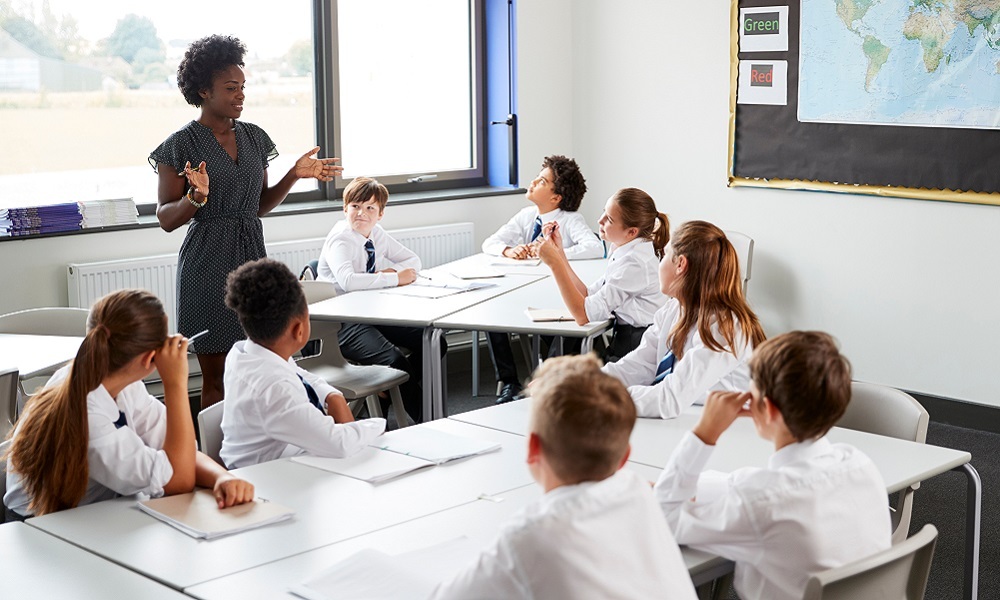
In preschool, learning is often playful and flexible. In primary school, children are expected to sit for longer periods, listen to teachers, follow lesson routines, and complete written work more independently.
K2 helps bridge this gap. During this year, children start to develop stronger learning habits such as:
- Paying attention during lessons
- Understanding instructions
- Completing tasks step by step
- Asking for help when needed
- Taking pride in their work
These habits are just as important as academic knowledge. A child who feels prepared is more likely to enjoy school and take part actively in class.
Confidence Matters as Much as Skills
Some children may know their letters and numbers but still feel nervous in a classroom setting. Others may be able to answer questions orally but struggle when asked to write their thoughts down.
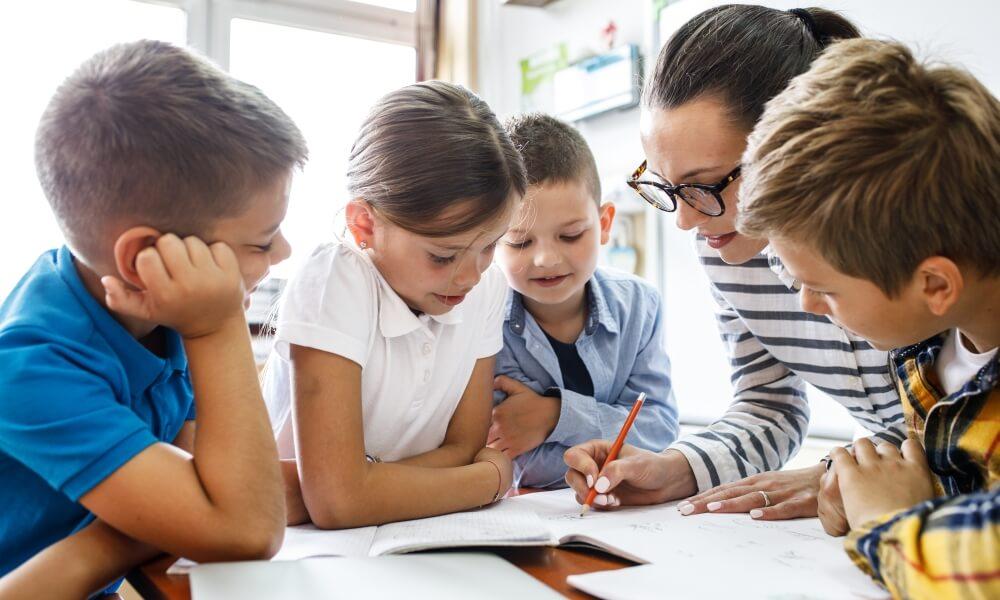
Good K2 tuition supports both skills and confidence. It gives children time to practise in a guided setting before they face the bigger demands of Primary 1. When children understand what is expected of them, they are more willing to try.
How K2 Tuition Supports English Readiness
Building Reading and Vocabulary Skills
Reading is one of the main foundations for primary school learning. In Primary 1, children will need to read instructions, story passages, questions, and simple informational texts.
At the K2 stage, children benefit from learning sight words, phonics patterns, and vocabulary in a structured way. These skills help them read with better understanding. They also help children express their ideas more clearly.
A strong vocabulary can support many areas of learning. When children know more words, they can explain feelings, describe events, and understand stories better.
Helping Children Write With More Structure
Writing can be challenging for young learners because it requires many skills at once. Children need to think of ideas, form sentences, use correct spelling, and write neatly.
K2 learners can begin with short and simple writing tasks. These may include describing a picture, writing about a familiar experience, or completing short sentences. Over time, they learn how to organise ideas in a clearer way.
Simple writing practice also helps children become less afraid of blank pages. They learn that writing is a process, not something they need to get perfect right away.
Encouraging Speaking and Listening
Primary school classrooms involve a lot of communication. Children need to listen to teachers, answer questions, speak to classmates, and sometimes share ideas in front of others.
K2 tuition can help children practise these skills through storytelling, discussions, show-and-tell, and guided conversations. These activities help children learn how to speak clearly, listen respectfully, and respond with confidence.
How K2 Tuition Supports Maths Readiness
Strengthening Number Sense
Maths in Primary 1 builds on early number concepts. Children need to understand counting, comparing numbers, simple addition and subtraction, shapes, patterns, and basic problem-solving.
At K2 level, the goal is not to rush children into difficult work. Instead, it is to help them understand numbers in a clear and meaningful way. For example, children should know that numbers are not just symbols. They represent quantity, order, and relationships.
Preparing for Word Problems
Many young learners find word problems difficult because they need to read, understand, and decide what to do. This can feel confusing if they are still building language and maths skills.
With guided practice, children can learn how to spot important information in a question. They can also learn simple methods such as drawing, counting objects, or writing number sentences.
These early problem-solving habits help children approach maths with less fear.
Connecting Maths to Daily Life
Maths becomes easier when children see how it connects to real life. Activities involving money, time, measurement, sharing, and simple patterns can make learning more practical.
For example, children may practise counting coins, comparing lengths, or grouping objects. These activities help them understand why maths is useful beyond the classroom.
What Parents Can Do at Home
Keep Learning Simple and Regular
Parents do not need to turn home into a classroom. Short, regular practice is often more useful than long study sessions.
Simple activities can include:
- Reading one story together each day
- Asking your child to retell what happened in a book
- Counting items while shopping or cooking
- Practising writing their name and simple sentences
- Talking about shapes, colours, time, and numbers in daily routines
These small moments help children see learning as part of everyday life.
Praise Effort, Not Just Correct Answers
Young learners need encouragement. When adults only focus on right answers, children may become afraid of making mistakes.
Instead, praise effort and progress. Say things like, “I like how you tried again,” or “You explained your idea clearly.” This helps children build a growth mindset and become more willing to learn.
Choosing the Right Support for Your Child
Look for a Balanced Approach
The best learning support for K2 children should not feel overly stressful. It should help them build academic skills while still respecting their age and development.
A balanced programme should support:
The Learning Lab supports Kindergarten 2 learners through English and Mathematics programmes that help develop reading, writing, communication, number concepts, and problem-solving skills in preparation for primary school.
Parents who are exploring Kindergarten 2 tuition support should look for lessons that guide children clearly while keeping learning engaging and age-appropriate.
Final Thoughts
Preparing for primary school is not about putting pressure on young children. It is about helping them feel ready for a new stage of learning.
With the right support, K2 learners can build confidence, strengthen key English and Maths skills, and develop habits that help them adjust better to Primary 1. When children feel capable, they are more likely to enjoy learning and take each new challenge in stride.