


Key Highlights
- Integration allows for immediate visual verification of every individual who uses a credential to enter a building.
- Unified security platforms reduce the time spent by personnel switching between different software applications and hardware interfaces.
- Automated triggers enable cameras to record high-definition footage the moment a door is forced open or left ajar.
- Combined data logs provide a comprehensive audit trail that simplifies forensic investigations and improves corporate compliance.
Introduction
In an era where security threats are increasingly sophisticated, relying on isolated safety components is no longer a viable strategy for modern enterprises. Many organisations invest in high-quality hardware but fail to connect these tools into a cohesive network. A standalone surveillance camera system provides a visual record of events, yet its utility grows exponentially when it shares data with other building management tools. By creating a unified ecosystem, property managers can ensure that their defensive measures are proactive rather than merely reactive. This transition towards integrated technology represents the future of facility management, where every sensor and camera works in harmony to provide total situational awareness.
Visual Verification via Access Control Integration
The most impactful way to enhance building safety is to link your visual monitors with your facility’s entry points. When you implement a card access system in Singapore, you gain a digital log of who enters specific zones, but you cannot always verify if the person using the card is the actual owner. By integrating these two technologies, the security software can automatically display a live video feed or a snapshot whenever a card is tapped at a reader. This allows security personnel to cross-reference the physical appearance of the individual with the photo stored in the employee database. This dual-layer authentication effectively eliminates the risks associated with lost or stolen credentials. Furthermore, it discourages tailgating, where unauthorised individuals follow staff through secure doors, as the camera captures every face that passes through the threshold.
Centralising Management through Unified Platforms
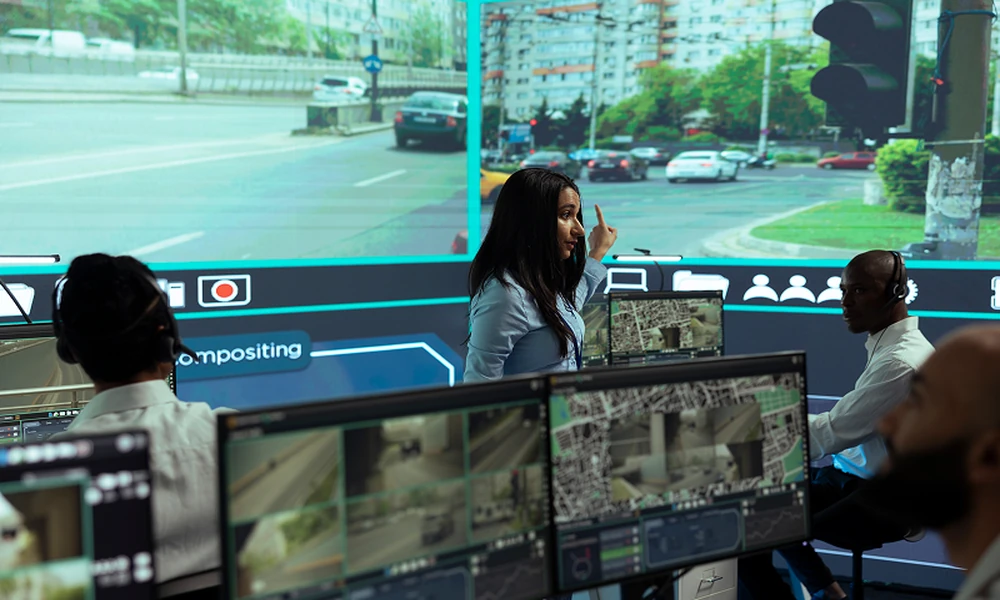
Operating multiple independent security tools often leads to inefficiency and human error. If a security officer must jump between one screen for the surveillance camera system and another for the door locks, critical seconds are lost during an emergency. Integration solves this problem by pulling all data into a single, intuitive dashboard. This centralised approach allows operators to manage permissions, view live footage, and monitor system health from one location. In a fast-paced environment, a single pane of glass view simplifies training and reduces the cognitive load on staff. Moreover, a unified platform makes it easier to scale your security infrastructure. As your business grows, adding new cameras or readers to an existing integrated network is far simpler than setting up entirely new, disconnected systems.
Automating Event-Based Triggers and Alarms
Modern security integration allows for the creation of “if-then” scenarios that significantly improve response times. For instance, if a card access system in Singapore detects a door forced alarm, it can immediately signal the nearest camera to pivot toward that location and start recording at a higher frame rate. At the same time, the system can send an instant notification to the mobile devices of the on-site security team. This automation ensures that no critical incident goes unnoticed, even if a guard is not actively watching that specific monitor at that moment. You can also set up triggers for non-emergencies, such as a camera zooming in on a delivery bay when a specific vendor card is used. These automated workflows turn your security hardware from a passive recording tool into an active participant in your facility’s daily operations.
Streamlining Audits and Forensic Investigations
When an incident occurs, such as a theft or a safety breach, investigators often spend hours manually syncing timestamps from different devices. Integration removes this hurdle by timestamping all events across the surveillance camera system and the access logs simultaneously. If you need to know who was in the server room at 2:00 PM, the system can generate a report that shows the access log entry alongside the corresponding video clip with a single click. This level of detail is invaluable for corporate audits and legal compliance, especially in highly regulated industries. Having a reliable, unalterable record of events protects the organisation from liability and ensures that any internal investigations are based on objective, multi-dimensional evidence. By merging visual and digital data, you create a robust history that serves as a powerful deterrent against future misconduct.
Conclusion
Integrating your various security components is a strategic investment that pays dividends in both safety and operational efficiency. By bridging the gap between a card access system in Singapore and your visual monitoring tools, you create a formidable barrier against unauthorised entry and internal threats. The ability to verify identities visually, manage systems from a single interface, and automate emergency responses transforms how a business approaches risk management. As technology continues to evolve, the businesses that thrive will be those that embrace interconnected solutions to protect their people and property. Moving away from fragmented hardware toward a unified, intelligent network ensures that your security posture remains resilient in the face of ever-changing challenges. Ultimately, a well-integrated system provides the most important benefit of all: peace of mind.
Contact VALSYS Technologies today to learn how we can customise a security plan for your specific business needs.