


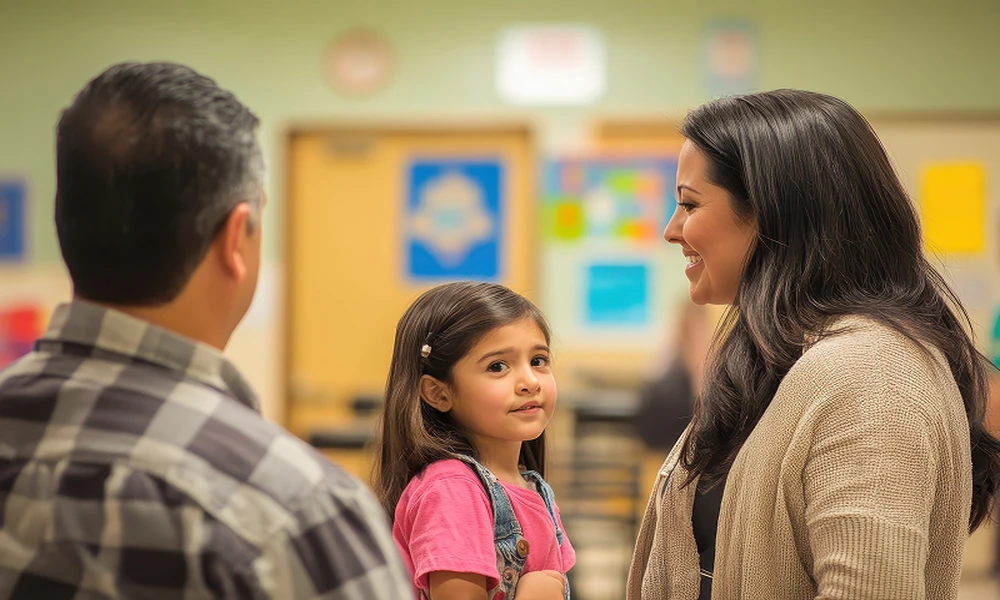
Make the Admission Interview a Two-Way Conversation
- Ask how the school’s curriculum supports your child’s age, interests and learning needs.
- Find out how teachers help children settle in, build friendships and develop confidence.
- Discuss language support, cultural inclusion and communication with families.
- Clarify admission requirements, fees, school routines and the transition process before making a decision.
How Will the School Support Your Child’s Early Development?
Choosing a school involves more than reviewing facilities or preparing your child to answer interview questions. For Indian parents exploring education options in Singapore, an admission interview is also an opportunity to understand how a school will support their child’s academic, social and emotional development.
This is particularly important during the early years, when children are developing communication skills, independence and relationships with others. When visiting international kindergarten schools in Singapore, ask how learning activities reflect children’s developmental stages and how teachers respond to different abilities and interests.
Useful questions include:
- What does a typical day look like for children in this age group?
- How do teachers balance structured lessons, play and exploration?
- How do you identify children who may need additional support?
- How do you help new students feel comfortable during their first few weeks?
Listen for clear examples rather than general assurances. A school should be able to explain how its educators observe progress, communicate with parents and adapt classroom activities when children need different forms of support.
Which Curriculum and Learning Approach Suit Your Family?
Curriculum is another important consideration when comparing schools in Singapore for Indians. Families may want to understand how a school’s educational approach fits their child’s needs and whether it supports longer-term plans for primary and secondary education.
Ask which curriculum the school follows, how learning progress is assessed and how children develop foundational literacy, numeracy, communication and problem-solving skills. For kindergarten-age children, find out how these abilities are introduced through age-appropriate activities rather than relying solely on formal tests or worksheets.
If your family may relocate or transfer schools in the future, ask how the curriculum connects with the next stage of education. Confirm the qualifications or documentation required for progression, as admission and transfer arrangements can vary between schools and programmes.
It is also worth discussing how teachers encourage curiosity. Activities involving stories, art, music, movement and hands-on exploration can give children different ways to express ideas and learn about the world. Ask how educators recognise individual interests while ensuring children develop the skills expected for their age.
How Does the School Welcome Indian Families and Different Cultures?
A culturally welcoming environment can help children feel that their family background is respected. However, inclusion involves more than celebrating festivals. It also means helping children from different backgrounds build friendships, communicate comfortably and participate in classroom life.
When considering international kindergarten schools in Singapore, ask how teachers introduce cultural differences and address misunderstandings between children. Find out whether families can share traditions, stories or celebrations, and how the school ensures these activities remain inclusive of the wider community.
Language is another useful topic to discuss. Ask which languages are used for teaching and everyday communication, whether additional language support is available, and how educators help children who are still gaining confidence in the classroom language.
For Indian parents comparing schools in Singapore for Indians, it is also sensible to discuss practical family needs. Ask how teachers communicate with parents about progress or concerns, whether meetings can be arranged when needed, and how the school responds when a child is finding the transition difficult.
The aim is not to find a school that mirrors your home environment in every respect. It is to find one that respects your family’s background while helping your child feel comfortable learning alongside children with different experiences.
What Practical Details Should You Confirm Before Enrolment?
A positive interview should also give you a clear picture of daily arrangements. Before making a decision, ask about admission criteria, required documents, application deadlines, fees and any additional costs for learning materials or activities.
Clarify the school day, arrival and collection procedures, meals, transport arrangements and policies for illness or absence. If your child has dietary requirements, allergies or other support needs, ask how these are managed and who will be your main point of contact.
Consider the transition process as well. Some schools arrange orientation activities or opportunities for children to become familiar with the classroom before starting. Ask what support is available and what parents can do at home to prepare their child.
During your visit, observe how staff interact with children and whether classrooms feel organised, welcoming and suited to the age group. These observations, alongside the answers you receive, can help you assess whether the school matches your family’s priorities.
Ask Questions That Lead to a Confident Choice
A school admission interview should help you understand what your child can expect, not simply determine whether your child meets entry requirements. Prepare questions about learning, cultural inclusion, communication and everyday routines, then compare each school’s answers with your family’s needs.
Contact us at NPS International to learn more about our Early Years programme and explore the school’s approach to supporting young learners and their families.


