


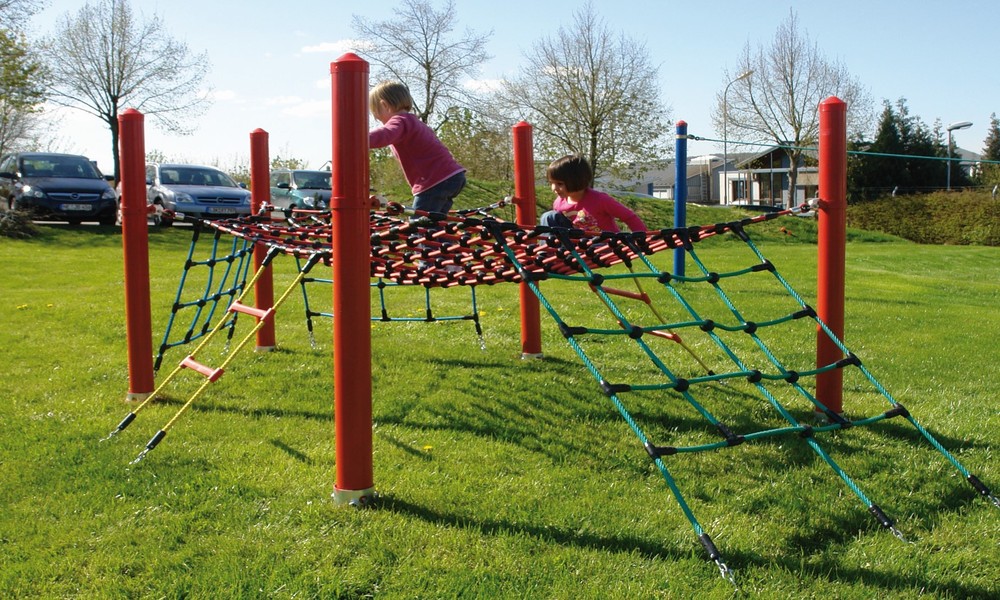
Few things change the energy of a school quite like a new playground. Where there was once a patch of grass or cracked asphalt, suddenly there is color, excitement, and constant movement. All over the world, schools are rethinking how quickly installed play spaces can transform activity levels, and the difference is often instant and dramatic.
Why Are Physical Activity Levels Critical in Schools?
A child’s day is filled with lessons and learning, but the time they spend moving is just as vital. Schools are uniquely positioned to shape lifelong healthy habits, especially as childhood inactivity becomes an increasing concern. Regular movement not only strengthens muscles and bones, it sharpens focus, boosts mood, and improves classroom behavior.
How Does Physical Activity Impact Student Health and Learning?
Dozens of studies confirm that active kids are healthier kids. Physical activity reduces the risk of obesity, diabetes, and anxiety. Perhaps even more striking, movement stimulates brain development, making students more attentive and ready to learn. Teachers often report fewer behavioral issues and improved academic performance in classes that incorporate more physical activity throughout the day.
What Are Current Challenges in Maintaining High Activity Levels at Schools?
It’s not always easy to keep kids moving. Crowded schedules, shrinking recess, and limited facilities mean students can spend hours sitting. Urban schools often lack green space, while tight budgets can squeeze out investments in new equipment. As a result, activity levels fall short of recommended guidelines, especially in under-resourced communities.
What Role Do Playgrounds Play in Encouraging School Activity?
Step onto a playground during recess and the evidence is in motion: climbing, running, balancing, laughter. Playgrounds are more than just spaces for fun; they’re catalysts for exercise and social growth.
How Do Playgrounds Support Physical and Social Development?
Playgrounds ignite imagination as well as bodies. Diverse equipment encourages children to test strength, develop coordination, and practice risk-taking in a controlled environment. Social skills get a workout, too, games spark cooperation, negotiation, and turn-taking. For students with different abilities and backgrounds, inclusive playgrounds help bridge divides, making activity accessible to all.
What Features Make Playgrounds Effective for All Age Groups?
Effective playgrounds adapt to the needs of varying age groups. Younger children need low, safe platforms for crawling and early climbing. Older students crave bigger challenges: ropes, climbing walls, and obstacle courses. Thoughtful designs incorporate sensory elements, shade, and accessible paths that welcome everyone.
How Can Quick Playground Installations Influence Activity Levels?
Traditionally, playground projects can feel drawn out, with months between planning and play. Quick installations are changing this equation, bringing benefits to children faster and minimizing disruption.
What Defines a “Quick” Playground Installation?
A “quick” installation is one that takes days or weeks, not months, from delivery to finished site. Modular equipment, prefabricated parts, and efficient site preparation allow contractors to work swiftly. The goal is reducing downtime so kids regain access to their play space with minimal interruption.
How Does Speedy Installation Affect School Scheduling and Budgets?
Fast installations mean less lost recess, fewer PE class disruptions, and minimal interference with school operations. For administrators, this approach can also save money on labor costs and limit the need for temporary play solutions. Importantly, it allows schools to respond to urgent needs, like increased enrollment, without lengthy waiting periods.
What Evidence Supports the Effectiveness of Rapid Playground Solutions?
Speed is only valuable if quality and impact are maintained. Thankfully, research and real-world examples show that rapid installations can deliver impressive results.
What Does Research Say About Activity Increases Post-Installation?
Studies suggest that daily physical activity jumps significantly after a new playground is added, even more so when students are able to use it right away. In many documented cases, activity levels rose by 20 to 30 percent in the weeks following installation.
Are There Case Studies Demonstrating Immediate Benefits?
Several schools report near-instant change. For example, when one urban elementary school completed a playground in under two weeks, recess participation soared and teachers noted fewer disciplinary issues during afternoon classes. Quick turnaround installations, like those highlighted by resources such as Inspire Play commercial playgrounds, demonstrate that reduced wait times can lead directly to higher activity and student satisfaction.
How Can Schools Plan for Successful Quick Playground Installations?
Preparation is everything. Rushed projects can mean missed details, so a streamlined but thoughtful approach is essential.
What Are the Key Steps Before Installation?
– Assess the space, student age groups, and accessibility needs
– Involve key stakeholders (students, staff, parents)
– Choose reputable vendors experienced in rapid installations
– Secure any necessary permits or approvals in advance
How to Choose Playground Designs That Maximize Engagement?
Look for equipment that challenges different ages and abilities. Consider modular setups that can be expanded over time. Incorporate natural elements and open-ended structures to foster creativity.
What Are the Practical Considerations for Implementing Quick Installations?
Speed should never come at the expense of safety or inclusivity.
How to Manage Safety and Compliance During Fast Setups?
Partner only with suppliers who meet local and national safety standards. Insist on proper surfacing and regular equipment inspections. Schedule installations outside of school hours when possible to keep students safe.
How to Involve Students and Staff in the Installation Process?
Engage student leaders or classes in planning and design choices. Invite staff to offer feedback on supervision and flow. Involvement fosters buy-in and excitement for the new space.
How Can Schools Sustain Increased Activity Levels After Installation?
The playground is just the beginning. Ongoing programming keeps the momentum going.
What Programs or Initiatives Complement Playground Use?
Organize after-school clubs, active recess games, and inclusive PE classes that make full use of new equipment. Host community play days to keep spaces vibrant outside of school hours.
How to Monitor and Evaluate Long-Term Impact on Activity?
Track student participation, gather feedback, and periodically reassess the space. Use surveys and activity logs to measure outcomes, then adapt programs as needed.
What Future Trends Could Enhance Playground Installations in Schools?
The next generation of playgrounds is already taking shape.
How Is Technology Shaping Playground Engagement?
Smart equipment now tracks movement and offers interactive challenges. Augmented reality games and digital scoreboards turn exercise into a high-tech adventure.
What Innovations Are Emerging for Efficient Installations?
Advances in modular design, sustainable materials, and prefabricated systems are making quick, effective installations more accessible than ever. As schools adopt these solutions, the playground continues to evolve, making movement, learning, and fun central to every school day.